
The Ultimate Career Guide to Joining PSUs Without GATE
Contents
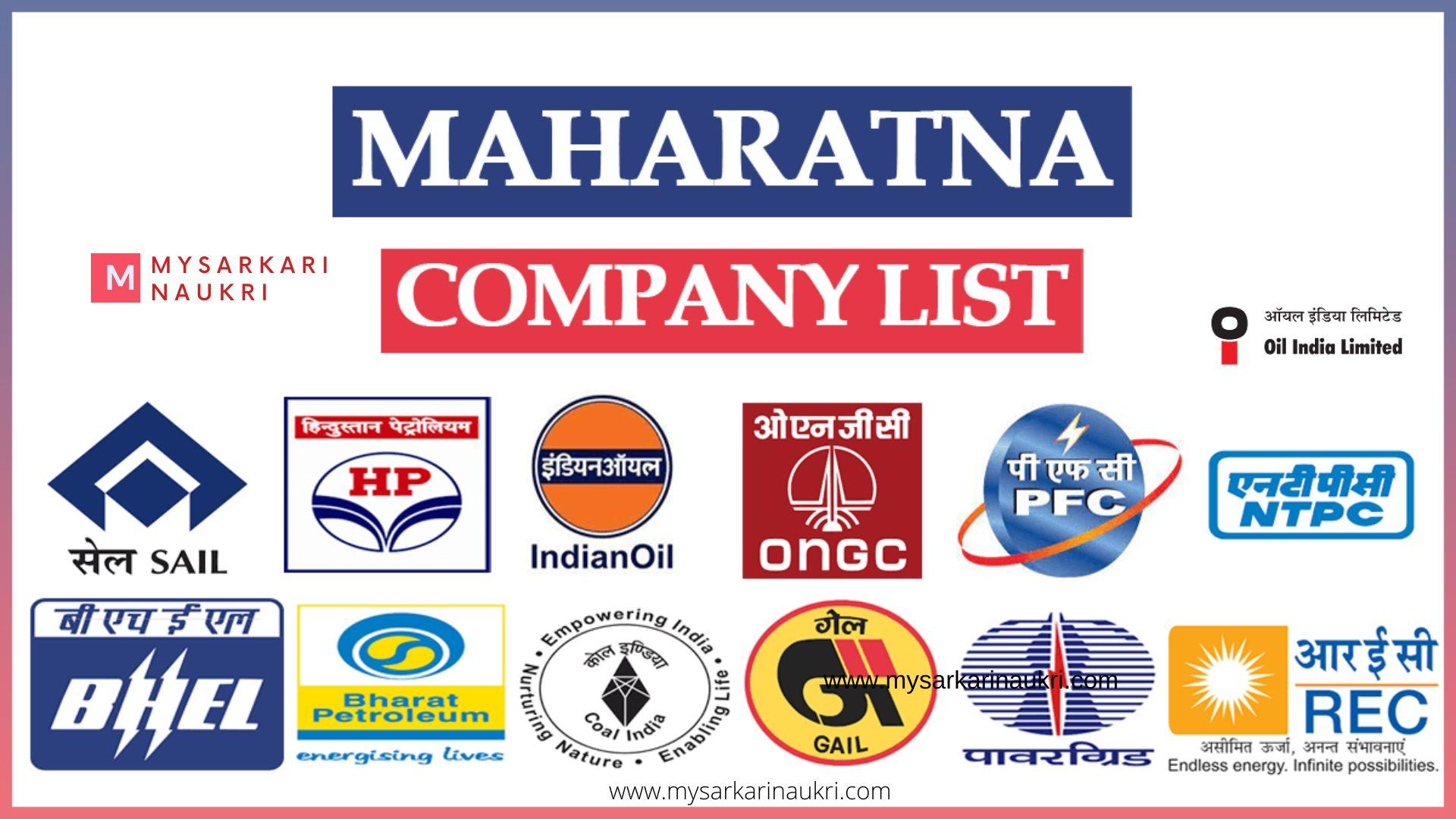
For decades, the Graduate Aptitude Test in Engineering (GATE) has been viewed as the exclusive gatekeeper to India’s prestigious Public Sector Undertakings (PSUs). However, MySarkariNaukri.com’s long-term research into the recruitment ecosystems of Maharatna and Navratna companies reveals a parallel, high-authority pathway. Many elite organizations—including ISRO, BARC, BEL, and AAI—maintain independent recruitment cycles to ensure they capture diverse talent across engineering, finance, HR, and management through their own specialized testing frameworks.
This guide serves as a permanent blueprint for aspirants looking to secure a “Sarkari” career in the PSU sector by bypassing the GATE merit list and excelling in organization-specific entrance protocols.
The Institutional Selection Ecosystem
The recruitment process for non-GATE PSU roles is designed to test both domain expertise and organizational fit. Unlike the generic GATE score, these exams are tailored to the specific functional needs of the hiring entity.
- Written Examination (CBT): A comprehensive Computer Based Test featuring technical subjects (70%) and General Aptitude/Reasoning (30%).
- Group Discussion (GD)/Group Task (GT): Primarily for Management Trainee (MT) roles to assess leadership and communication.
- Personal Interview (PI): A deep dive into technical competence and psychometric stability.
- Medical Examination: Strict adherence to the organization’s health standards (e.g., vision standards in AAI).
Eligibility Standards & Entry Gateways (Evergreen)
While individual notifications vary, the institutional rules for these “Entry Gateways” remain remarkably consistent year over year.
Educational Thresholds
- Engineering Roles: A full-time B.E. / B.Tech from a recognized university with a minimum of 60% marks (relaxed to 50-55% for SC/ST/PwBD).
- Management/HR Roles: MBA or PG Diploma in Personnel Management/IR with specialized focus.
- Scientific Roles: M.Sc. or Integrated Ph.D. for organizations like BARC or ISRO.
Age & Nationality
- General Category: Usually 21 to 30 years.
- Relaxations: 3 years for OBC (NCL) and 5 years for SC/ST.
- Nationality: Must be a Citizen of India (Special provisions for subjects of Nepal/Bhutan with eligibility certificates).
The “Sarkari” Career Path: A 10-Year Growth Map
Joining a PSU is not just a job; it is a lifetime service trajectory. Most PSUs follow a standard hierarchy where promotions are linked to “Annual Performance Appraisal Reports” (APAR) and residency periods.
| Year Milestone | Typical Rank/Designation | Responsibility Level |
| Year 0 | Graduate Executive Trainee (GET) / MT | Probation & Intensive Technical Training |
| Year 1 | Assistant Manager / Engineer (Level-10) | Regularization & Functional Ownership |
| Year 4 | Deputy Manager (Level-11) | Mid-level Management & Team Supervision |
| Year 8 | Manager (Level-12) | Departmental Oversight & Decision Making |
| Year 12 | Senior Manager (Level-13) | Strategic Planning & Policy Implementation |
Institutional Note: Most PSUs require a Service Bond ranging from ₹2,00,000 to ₹5,000,000 for a mandatory service period of 3 to 4 years post-training.
Financial Anatomy (2026 Standard)
In 2026, PSU compensation remains the gold standard for job security and wealth creation. With Dearness Allowance (DA) having crossed the 50% threshold, the salary structure has seen a significant upward shift.
Salary Components (Level-10 Entry)
- Basic Pay: Starting at ₹50,000 – ₹60,000.
- Dearness Allowance (DA): Calculated at > 50% of Basic Pay (Revised quarterly).
- House Rent Allowance (HRA):
- Class X Cities (Metros): 30% of Basic.
- Class Y Cities: 20% of Basic.
- Class Z Cities: 10% of Basic.
- Cafeteria Allowance: Usually 35% of Basic Pay for perks (Electricity, Mobile, Uniform).
Competency Matrix Table
To clear a non-GATE PSU exam, your preparation must be balanced. Here is the weightage distribution observed across major independent exams.
| Subject Area | Weightage | Focus Topics |
| Technical Core | 65% – 70% | Strength of Materials, Thermodynamics, Data Structures, etc. |
| General Aptitude | 10% – 15% | Quantitative Ability, Logical Reasoning, Data Interpretation. |
| English Language | 5% – 10% | Vocabulary, Grammar, Reading Comprehension. |
| General Awareness | 5% – 10% | Current Affairs, PSU Sector Knowledge, Static GK. |
Expert “Masterclass” Tips
- Document Readiness: Ensure your OBC-NCL or EWS certificates are issued after April 1st of the current financial year. Many candidates are disqualified at the interview stage due to outdated certificates.
- The “PSU-Specific” Syllabus: Unlike GATE, these exams often include “Industrial Safety,” “Quality Management,” and “Ethics.” Do not ignore the non-technical sections.
- Mock Endurance: Since these exams are usually 120 minutes for 120-150 questions, speed is more critical than the extreme depth required for GATE.
Frequently Asked Questions (FAQs)
Yes. Organizations like ISRO, BEL, AAI, and HPCL (on rotation) often conduct their own exams independent of GATE scores.
The core technical syllabus is similar, but PSU exams usually feature more “fact-based” questions and a higher percentage of non-technical aptitude.
The institutional standard is 12 months, during which you are designated as a “Trainee.” Upon successful completion and assessment, you are regularized.
Most PSUs follow the Defined Contributory Pension Scheme (under NPS) along with additional post-retirement medical benefits.
Yes. Most PSU roles are “All India Service” liability roles. However, initial postings for specialists are often at the major manufacturing or R&D units.
Usually, yes, provided you can produce your final marksheet/degree by the time of the Personal Interview or Document Verification.
Yes. To recover training costs, PSUs mandate a bond (e.g., ₹3 Lakhs) for a period of 3-4 years.
Generally, yes. PSUs offer regulated working hours, structured leave policies, and significant social security, though “On-Call” duties exist in operations.