About Archaeological Survey of India
About Archaeological Survey of India (ASI)
The Archaeological Survey of India (ASI) operates under the Ministry of Culture and stands as the premier national body for archaeological research and the protection of India's cultural heritage. For aspirants seeking government jobs in the cultural and heritage sector, ASI represents a prestigious career path. The organization's primary mandate includes the maintenance of ancient monuments and archaeological sites of national importance, ensuring the preservation of India's rich history for future generations.
Role in Public Service and National Development
As a central employer, ASI manages archaeological activities across the country in strict accordance with the Ancient Monuments and Archaeological Sites and Remains Act, 1958, and the Antiquities and Art Treasure Act, 1972. To streamline operations, the entire nation is divided into 37 Circles, facilitating efficient management and conservation efforts. This extensive network creates numerous public sector careers and Sarkari Naukri opportunities for skilled professionals dedicated to national development.
Recruitment and Career Opportunities
Organizational Structure
ASI recruitment drives are highly anticipated by candidates preparing for competitive exams. The organization employs a large workforce of trained professionals, including archaeologists, conservators, epigraphists, architects, and scientists. Through its specialized units—such as Circles, Museums, Excavation Branches, Prehistory Branch, Epigraphy Branches, Science Branch, Horticulture Branch, Building Survey Project, Temple Survey Projects, and the Underwater Archaeology Wing—ASI offers diverse roles. Explore the latest ASI recruitment notifications to secure a rewarding career in preserving India's cultural legacy.
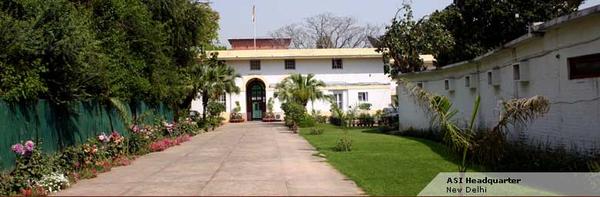
Official Address
Contact Information
This organization has released 12 recruitment notifications in the last 3 years.
Expired / Closed Notifications
Archaeological Survey of India (ASI) Recruitment 2026: Career Guide
The Archaeological Survey of India (ASI) functions under the Ministry of Culture, Government of India. It is the premier organization responsible for the archaeological research and the protection of cultural monument in the country. ASI is a recognized government body, offering stable and respectable career opportunities for specialists and generalists alike.
Key Highlights of ASI Recruitment
| Organization Name | Industry | Recruitment Mode | Standard Salary (Entry Level) | Location |
|---|---|---|---|---|
| Archaeological Survey of India (ASI) | Government Services, Cultural Heritage | Merit-based, Direct Recruitment, SSC | As per 7th CPC (Level 4+ for Assistants, Level 6+ for Assistants Archaeologists) | Delhi (Headquarters) and various Field Offices/Circles across India |
Why Work at ASI?
Working with the Archaeological Survey of India offers a unique blend of intellectual challenge, national service, and job security. Employees contribute directly to preserving India's invaluable historical legacy. The work environment encourages continuous learning and research. Government job benefits, including a stable salary structure, medical facilities, pension, and paid leave, make ASI an attractive employer. The prestige associated with protecting national heritage is a significant motivational factor.
Career Opportunities & Roles at ASI
ASI recruits for a variety of roles, primarily focusing on archaeological research, conservation, and administration. Common recruitment areas include:
- Archaeologists/Assistant Archaeologists: Field excavation, exploration, site management, research.
- Epigraphists: Study of inscriptions and ancient scripts.
- Architectural Assistants: Conservation and preservation of built heritage.
- Conservation Assistants: Practical aspects of heritage site conservation.
- Draughtsman: Creating drawings and plans of sites and structures.
- Surveyors: Mapping and surveying archaeological sites.
- Museum Keepers/Curators: Managing artifacts and museum collections.
- Photographers: Documenting archaeological findings and sites.
- Administrative Staff (Assistant, UDC, LDC): General administration, record keeping, and support functions.
- Skilled Artisan: For specialized conservation work.
Eligibility Criteria (2026 Standards)
Eligibility criteria can vary depending on the specific post. However, general requirements often include:
- Age Limit: Typically between 18-30 years for general candidates, with relaxations for OBC (3 years), SC/ST (5 years), and other reserved categories as per government rules. Specific posts might have different upper age limits.
- Educational Qualification:
- For Technical/Archaeological Posts: Master's Degree in Ancient Indian History, Archaeology, Anthropology, or equivalent from a recognized university. For Assistant Archaeologist/Architectural Assistant, a Bachelor's degree in relevant fields (e.g., Engineering for Architects, Archaeology/History for Assistants) is often required.
- For Administrative Posts: Bachelor's Degree in any discipline for Assistant posts. For LDC/UDC, specific educational qualifications as prescribed by SSC.
- For Draughtsman/Surveyor: Diploma or Certificate in the relevant field (e.g., Civil Engineering for Draughtsman).
- Experience: While most entry-level positions are directly recruitmented, some specialized roles might require a few years of relevant experience.
Selection Procedure
ASI's recruitment process varies by post. It typically involves:
- Direct Recruitment (Merit-based): For many roles, especially Archaeologists and technical staff, ASI may conduct its own recruitment exams or assess applications based on academic merit and relevant experience. The process often involves a written examination followed by an interview.
- SSC Recruitment: For administrative and certain junior roles (like Assistant, UDC, LDC), ASI recruits through the Staff Selection Commission (SSC) Combined Graduate Level (CGL) or Combined Higher Secondary Level (CHSL) examinations. The selection is based on the performance in SSC's computer-based tests and interviews, followed by document verification.
- Departmental Examinations: For promotions or certain internal recruitments.
- Personal Interview: A crucial stage for assessing candidates' suitability, knowledge, and passion for the field. Technical knowledge, problem-solving skills, and general awareness are evaluated.
Note: ASI does NOT typically use GATE or IBPS scores for its direct recruitment. The recruitment is primarily through its own assessment or SSC examinations.
Salary & Perks
Salaries at ASI are governed by the 7th Central Pay Commission (CPC). Pay scales are structured according to the post and the level assigned:
- Entry Level (e.g., Assistant / LDC): Usually starting at Level 4 or Level 2 of the pay matrix.
- Technical/Archaeologist Entry Level (e.g., Assistant Archaeologist): Often starts at Level 6 of the pay matrix.
- Inclusions: The salary includes Basic Pay, Dearness Allowance (DA), House Rent Allowance (HRA), and other allowances as admissible to Central Government employees.
- Other Benefits: Medical facilities, pension scheme (NPS primarily), leave travel concession (LTC), subsidized housing (subject to availability), and opportunities for professional development and research.
Application Process
ASI announces vacancies through:
- Official Website (asi.nic.in): All recruitment notifications, application forms, and updates are published on the ASI's official website.
- Employment News: Government job advertisements are regularly published in the weekly 'Employment News' (Rozgar Samachar).
- SSC Notifications: For posts recruited via SSC, candidates must follow the SSC website (ssc.nic.in) for their advertisements and application procedures.
The general application flow involves registering online, filling in personal and educational details, uploading scanned documents and photograph, paying the application fee (if applicable), and submitting the form before the deadline. Candidates are advised to carefully read the detailed notification for each recruitment.
How to Prepare for ASI Recruitment
Preparation strategies depend on the recruitment mode:
- For ASI's Own Examinations/Assessments:
- Syllabus: Focus on Archaeology (Indian and World), Ancient Indian History, Art & Architecture, Conservation Techniques, Research Methodology, and General Studies.
- Recommended Books: Standard textbooks on Indian History and Archaeology (e.g., R.S. Sharma, Upinder Singh, P.L. Gupta), publications from ASI, and material on conservation principles.
- Study Plan: Create a structured study schedule covering all syllabus topics. Practice previous year's papers if available.
- For SSC Examinations (e.g., CGL/CHSL):
- Syllabus: Comprehensive preparation for Quantitative Aptitude, Reasoning Ability, English Comprehension, and General Awareness as per SSC syllabi.
- Study Plan: Dedicate time to each section, taking mock tests regularly to assess preparation levels and time management.
- For Interview:
- Technical Knowledge: Brush up on core concepts related to archaeology, history, conservation, and specific areas of interest.
- General Awareness: Stay updated on current affairs, government policies related to culture and heritage, and recent archaeological discoveries in India.
- Communication Skills: Practice articulating your thoughts clearly and confidently.
Source: asi.nic.in, ssc.nic.in
Frequently Asked Questions (FAQs)
Similar Organizations
.jpeg)